Social Show Guides
What is a social show?
A social show is original, recurring entertainment made for social platforms, with a recognizable premise, format, host or cast that gives people a reason to come back. It can be an interview, a sitcom, a documentary, a performance or a drama. The defining feature is not simply that it is short. It is that it feels like a show.
By Like Show Business ·
What makes a social show a show?
At Like Show Business, we use ‘social show’ as a practical editorial term, not a formal industry standard. We look for entertainment with an identity that carries from one installment to the next. That identity might be a family at dinner, a host asking strangers one distinctive question, or a fictional workplace full of familiar characters.
An episode should offer something worth watching on its own, while the format creates a reason to recognize and return to the next one. Some shows tell a continuous story. Others reset each episode. Both can build a relationship with an audience.
- A repeatable premise: you can explain what happens in a sentence.
- A recognizable identity: a host, characters, setting, visual language or recurring ritual.
- Multiple installments: the idea has somewhere to go beyond one post.
- An audience payoff: humor, curiosity, insight, emotion or access.
How is it different from a Reel, a podcast clip or a campaign?
A Reel is a publishing format. A show is an editorial idea. A one-off Reel can be excellent without being a show, and a vertical clip cut from a longer podcast does not automatically become a social-native series.
The useful question is whether the idea was designed for the viewing experience. Can a new viewer understand the premise quickly? Does the episode reward their attention? Would they recognize another installment without needing to see a logo? An account can itself function as a show when its recurring formats and point of view provide that continuity. Not every active brand account meets that test.
Who makes social shows?
Creators, independent studios, publishers, institutions and brands all make them. Brand ownership and brand sponsorship are different relationships. Recess Therapy is creator-led; Banana Republic’s The Agency is a brand-created series. A sponsor appearing in a creator’s episode does not make the brand the creator of the show.
The Social Show Index keeps those credits separate. LSB Selects are our editorial recommendations, shows we think are worth watching.
Why are social shows getting attention now?
Television’s recurring characters and reliable formats are being adapted to the feed. Business Insider’s November 2026 reporting describes a new generation of short-form sitcoms on Instagram, while Variety’s interview with the Eavesdropping creators examines serialized storytelling made for Instagram, TikTok and YouTube.
These are signs of growing creative and industry attention, not proof that every social show succeeds or that the whole category has a single measurable growth rate. The opportunity is to earn repeat viewing with an original idea, rather than treating each post as disposable.
Sources: The golden age of Instagram sitcoms has arrived · Rom-com Eavesdropping tests the future of scripted social video
Examples of social shows
These examples span creator-led entertainment, institutional access and brand-created fiction. Several are LSB Selects. The lesson is the breadth of the form: a social show does not have to look like a sitcom, and it does not have to come from a brand.
 LSB Selects
Family Dinner TV
A family dinner table becomes a recurring sitcom setting. Recognizable relationships do the work that a longer introduction would do on television.
Explore the show →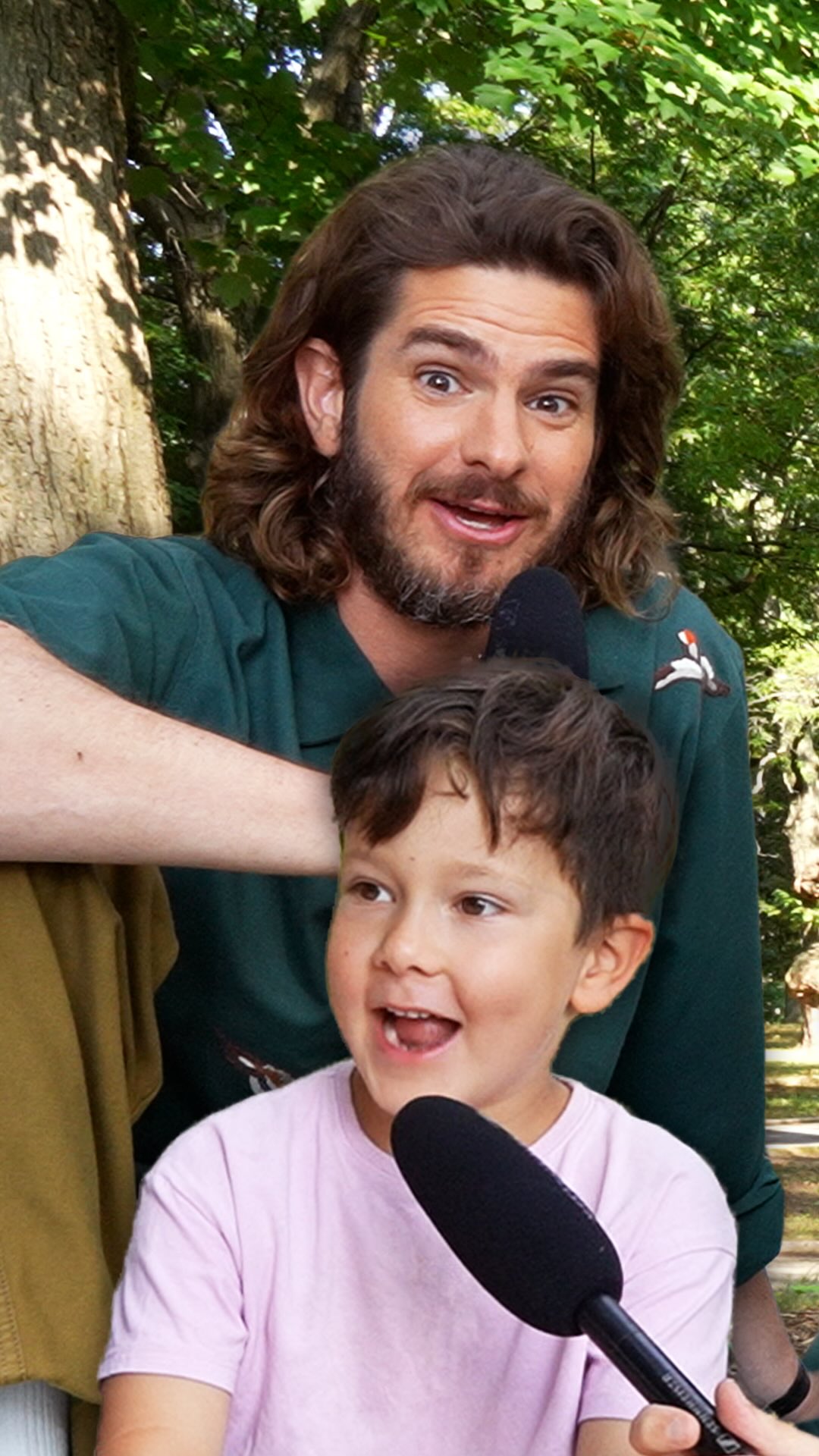 LSB Selects
Recess Therapy
Julian Shapiro-Barnum’s conversations with children turn a simple interview setup into a distinctive show. The listening is as important as the question.
Explore the show → LSB Selects
Mic'd Up
The Minnesota Orchestra uses access to musicians at work as the premise. A social show can reveal a real institution rather than invent a fictional world.
Explore the show → LSB Selects
The Bittarverse
Alexis Bittar builds a recurring fictional fashion universe. Characters and storylines give the luxury brand a world beyond individual product posts.
Explore the show →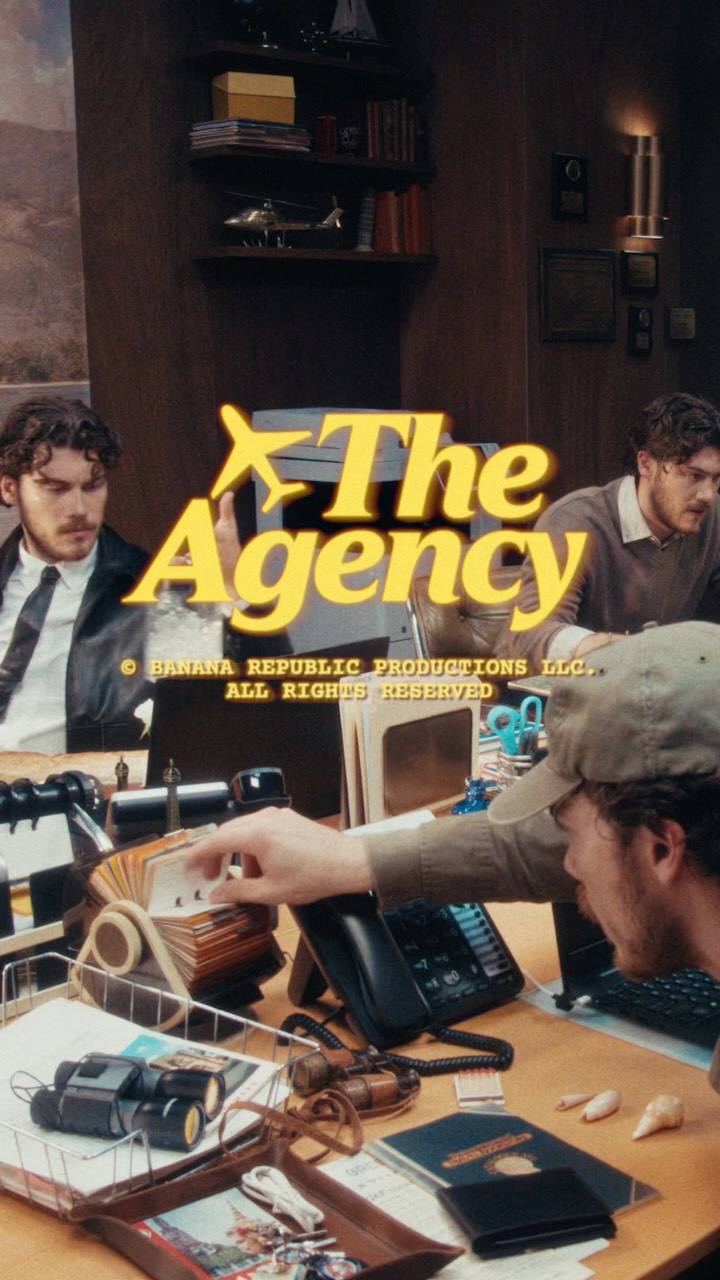
The Agency
Banana Republic’s five-part comedy follows a fictional travel agency, with Jack Innanen playing multiple characters. The brand commissioned an entertainment premise, not simply a string of outfit videos.
Explore the show →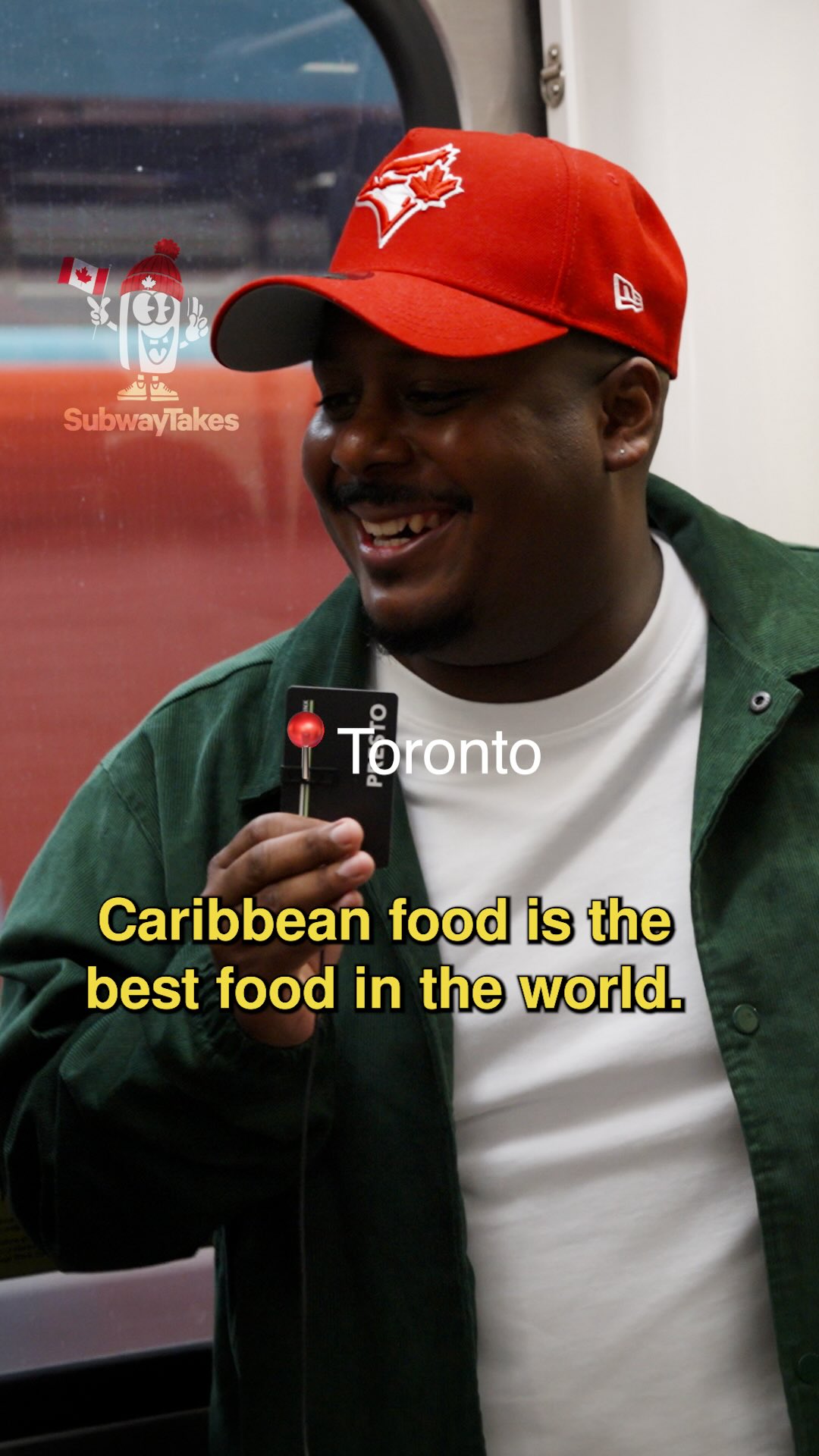
Subway Takes
Kareem Rahma’s subway interviews have a repeatable question, recognizable setting and room for a different guest each time. The ritual makes the series legible immediately.
Explore the show →What should a brand learn from social shows?
Start with the viewing proposition, not a posting schedule. What will people get from each episode, and why can this team make it better than anyone else? A distinctive setting, expertise, access or sense of humor can be a stronger starting point than a product message.
Then develop a format that can sustain more than one installment. Test the premise, make a pilot and learn from whether people watch and return. Views alone do not establish a lasting audience or a business result.
Sources & further reading
Definitions and format observations are Like Show Business’s editorial interpretation. Reporting and official material informing this guide are linked below and in the individual show profiles.
- The golden age of Instagram sitcoms has arrived ↗Sydney Bradley, Business Insider · November 6, 2026
- Rom-com Eavesdropping tests the future of scripted social video ↗Andrew Wallenstein, Variety · October 30, 2026
- Banana Republic announces The Agency ↗Banana Republic · October 14, 2026