
Social Show Guides
What are vertical series and microdramas?
A vertical series is an episodic show designed to be watched in portrait orientation on a phone. A microdrama is a short, serialized scripted story, often built around heightened emotion and cliffhangers. Vertical describes the screen format; microdrama describes a storytelling form. Not every vertical series is a microdrama.
By Like Show Business ·
Vertical is a format. Microdrama is a storytelling form.
An interview, a sitcom, a cooking show or a drama can all be vertical series. Portrait framing does not tell you whether a story is scripted, whether episodes connect or whether the show has a brand behind it.
Microdramas usually tell an ongoing story in very short episodes, often around one to two minutes. Romance, melodrama, reversals and cliffhangers are common. The Producers Guild of America’s guide makes the distinction explicit: vertical defines the viewing orientation, while microdramas are a genre within that space.
Sources: I’ll have my TV straight up · FAQ on microdramas
Are microdramas the same as shows on Instagram?
No. Some microdramas are distributed on Instagram, TikTok or YouTube. Others live primarily in dedicated services such as ReelShort and DramaBox, which can use advertising, free introductory episodes and paid unlocks.
A show native to a social feed and a paywalled app-based drama can share vertical framing and a fast hook, but they have different viewing journeys and commercial models. A clip used to promote an app is not the same as a complete social-native episode. Our Index focuses on original social shows, not a complete catalog of drama apps.
Sources: FAQ on microdramas
Where did microdramas come from, and why are they growing?
The current microdrama model developed in China and expanded internationally through mobile viewing and dedicated apps. It draws on familiar serial storytelling, including soap-like emotional stakes, but packages that storytelling for portrait screens and rapid episode progression.
Apptopia’s July 2026 analysis reports continued expansion across major US microdrama apps, while Deadline reports Media Partners Asia’s growth forecasts for ReelShort and the market outside China. These are app-market observations and projections, not a growth rate for all social shows or evidence that every branded series delivers returns.
Sources: I’ll have my TV straight up · Microdrama apps continue scaling in the US · ReelShort on course to reach $1BN revenue in 2026: MPA report
Vertical storytelling and branded microdrama examples
Dr Pepper and Crocs demonstrate brand-created short drama in the Index. Eavesdropping provides a useful contrast: a serialized social romantic comedy, not automatically an app-style microdrama. The Agency shows why a vertical scripted series can be a comedy rather than a melodrama.
Sources: Brands see content gold in microdramas. Will they muck up the moment?
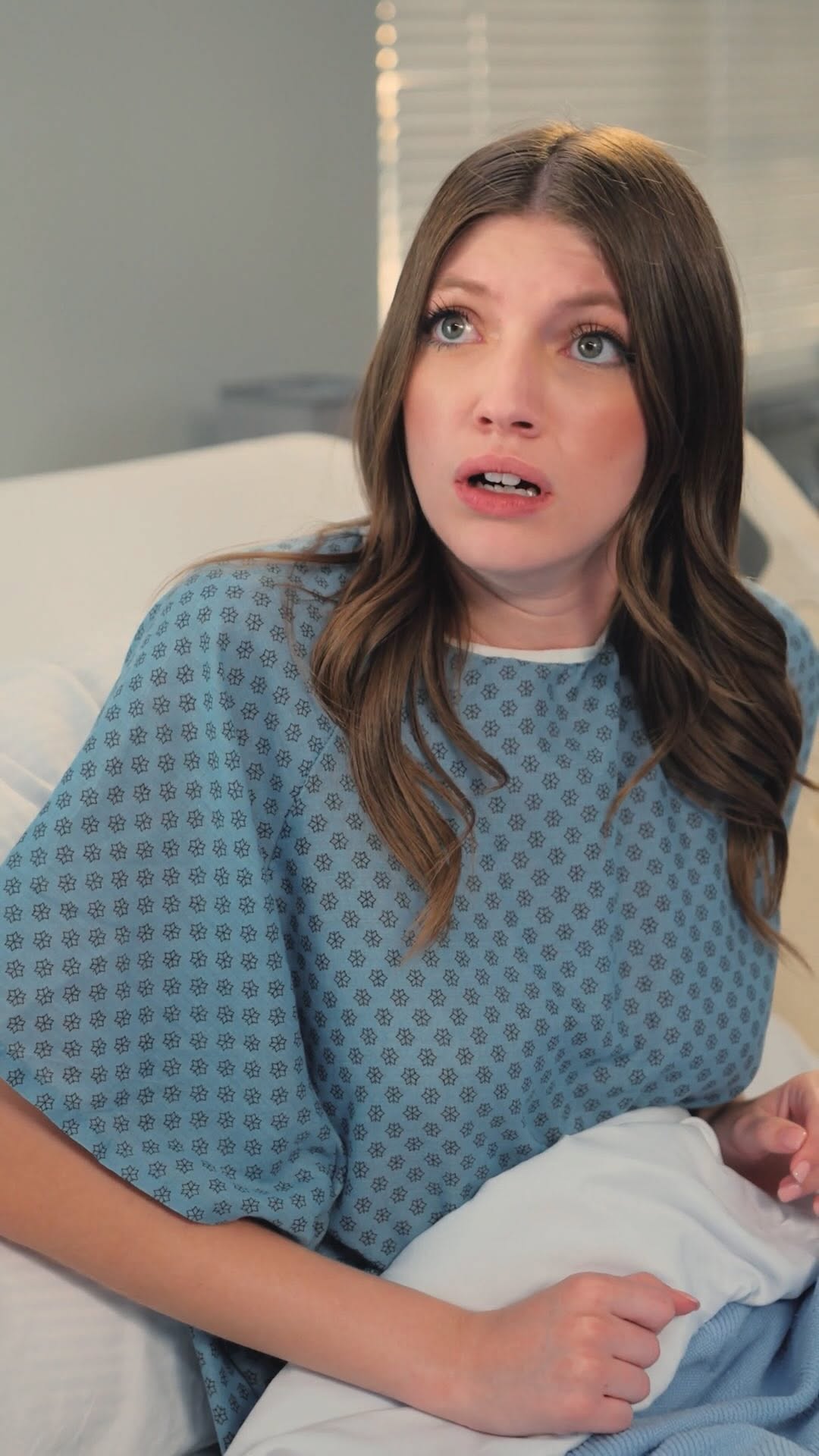
It's a Pepper Fling
Dr Pepper’s romantic microdrama connects serialized storytelling to a limited-time soda flavor. It is a brand-created example, not an independent show with an inferred sponsor.
Explore the show →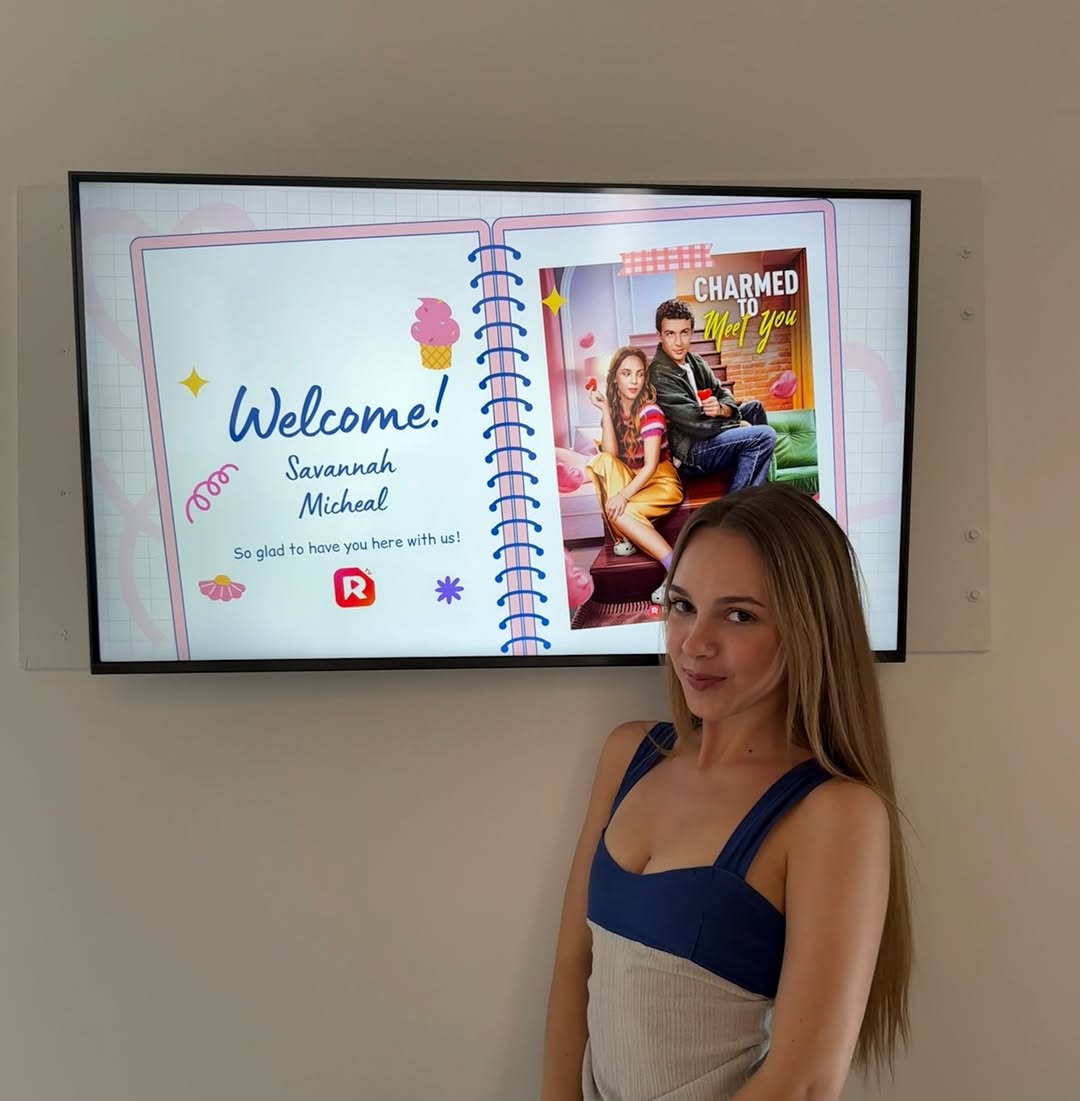
Charmed to Meet You
Crocs turns an employee romance into a five-episode love story. The real-world inspiration gives the brand a starting premise for short scripted entertainment.
Explore the show →
Déjà Shoe
Crocs’ seven-part scripted series integrates products into the plot. Its short serial structure offers another way to examine branded vertical drama.
Explore the show →
Eavesdropping
A serialized romantic comedy made for social feeds. It shares short-form vertical storytelling with microdramas, but its comic relationship engine makes it a useful point of contrast.
Explore the show →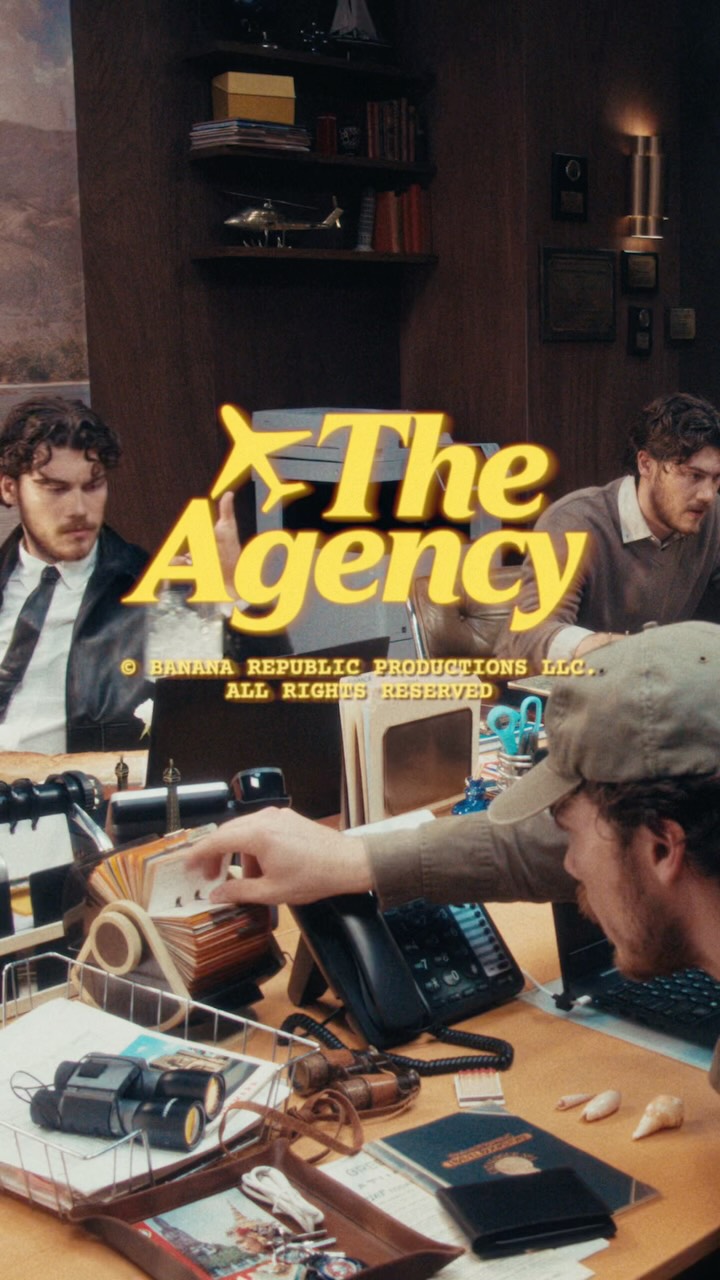
The Agency
Banana Republic’s short-form scripted comedy illustrates the broader category of vertical series. Portrait presentation does not make a comedy a microdrama.
Explore the show →What makes the storytelling different?
A microdrama tends to establish the emotional situation quickly, introduce a reversal and leave a question that carries into the next episode. The cliffhanger is part of the serial structure, not just a request to follow the account.
Portrait framing changes composition, too. Faces, gestures and close interactions can carry information that a wide establishing shot would communicate in a conventional series. The strongest work still needs coherent characters and a worthwhile payoff; speed alone does not create a story.
What should brands consider before making one?
Choose the storytelling form because it fits an audience and an idea, not because vertical drama is receiving press. A brand might supply a credible setting, a product-related conflict or a distinctive world. It might also sponsor an independent series rather than commission its own.
Distribution needs to be part of development. A free social series, a paid app drama and a trailer for a longer show are different projects. Decide where the audience will watch, what each episode delivers and how success will be assessed before committing to a season.
Sources & further reading
Definitions and format observations are Like Show Business’s editorial interpretation. Reporting and official material informing this guide are linked below and in the individual show profiles.
- I’ll have my TV straight up ↗Eve Weston, Producers Guild of America · May 2026
- FAQ on microdramas ↗EMARKETER Editors and Gadjo Sevilla · August 21, 2026
- Microdrama apps continue scaling in the US ↗Adam Blacker, Apptopia · July 1, 2026
- ReelShort on course to reach $1BN revenue in 2026: MPA report ↗Liz Shackleton, Deadline · August 6, 2026. Forecasts, not final results.
- Brands see content gold in microdramas. Will they muck up the moment? ↗Peter Adams, Marketing Dive · July 7, 2026
- Rom-com Eavesdropping tests the future of scripted social video ↗Andrew Wallenstein, Variety · October 30, 2026
- Banana Republic announces The Agency ↗Banana Republic · October 14, 2026