Social Show Guides
What is a branded series?
A branded series is a connected set of episodes made with documented brand involvement. That involvement can be commissioning, co-creation or sponsorship. In an entertainment-led branded series, a repeatable premise gives audiences a reason to return beyond the brand message. It is an episodic form of branded content; it can also be branded entertainment.
By Like Show Business ·
What makes a branded series different from a campaign?
A campaign groups communication around an objective or moment. A series also has an editorial engine: characters, a host, a situation or a recurring activity that can generate another episode. A campaign may launch a series, but a common hashtag or release schedule alone does not make a group of posts a show.
The Agency is a clear example. Banana Republic announced five installments following a fictional travel agency, with Jack Innanen playing its eccentric employees. A defined world and cast connect the episodes, while travel and discovery connect that world to the brand.
Sources: Banana Republic announces The Agency
Branded series, branded content and branded entertainment
Branded content is a broad umbrella. A branded series specifies an episodic structure. Branded entertainment describes an audience experience built around entertainment rather than a direct selling message. These labels overlap, but they are not interchangeable in every case.
A sequence of instructional product videos can be a branded series without being a sitcom or drama. An entertainment-led branded series can take the form of fiction, interviews, dating, documentary or a recurring account-led ritual. The most useful label is the one that describes what the audience actually gets.
Who creates, owns and sponsors a branded series?
The brand might commission original work, co-create with a studio or sponsor an existing creator’s show. Those are distinct arrangements. The creative team, commissioning brand and episode sponsors should be credited separately; intellectual-property ownership depends on the actual agreement, not the presence of a logo.
Digiday’s October 2026 reporting describes the different routes brands are taking into microseries, alongside questions about creative control, ownership and returns. We use documented Index classifications for the examples below. Creator-led shows with episode sponsors are not reclassified as brand-owned.
Sources: Ownership, control, margins: the brand playbook for microseries
Branded series examples: more than one creative model
These examples are brand-created or commissioned entries in the Index. They demonstrate fictional worlds, a recurring food-centered account and an unscripted dating premise. Grillo’s is an account-led format, not a claim that all its posts belong to a separately titled season.
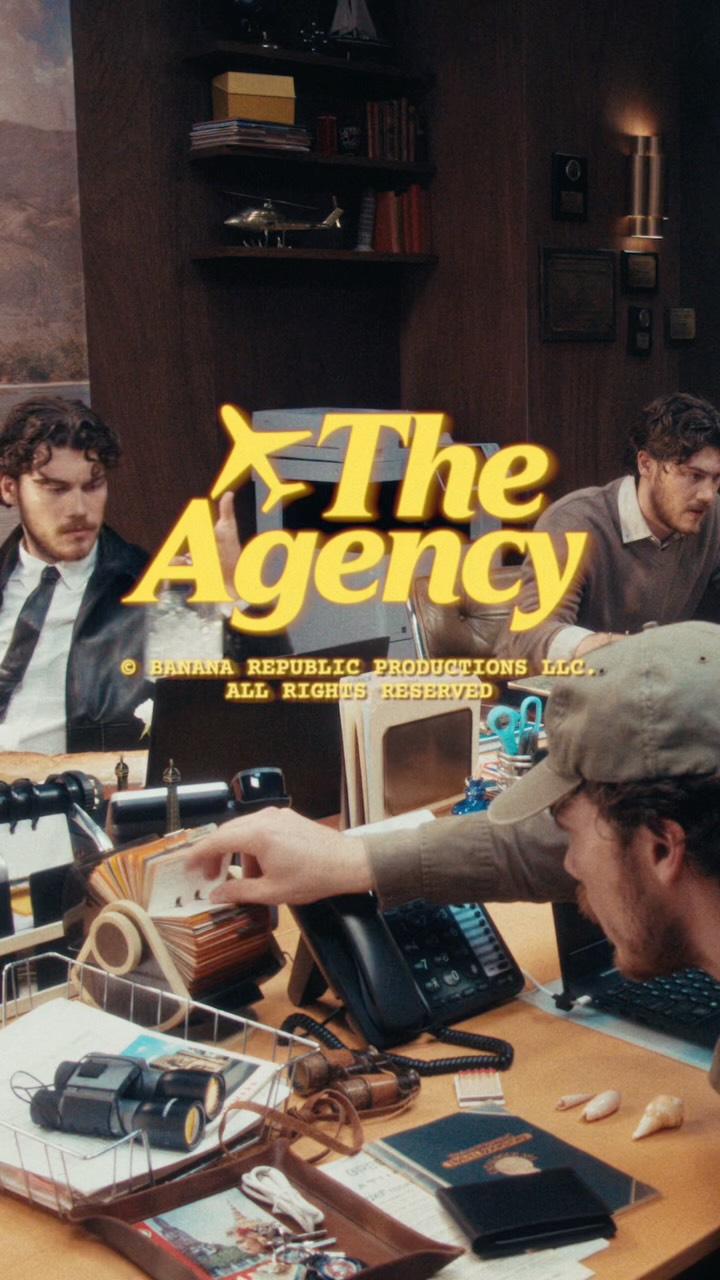
The Agency
Banana Republic’s five-part original comedy uses a fictional travel agency and recurring characters. The entertainment world connects to the brand’s heritage of discovery.
Explore the show → LSB Selects
The Bittarverse
Alexis Bittar builds an ongoing fictional fashion universe. A returning cast and interconnected stories give the jewelry brand a recognizable series identity.
Explore the show →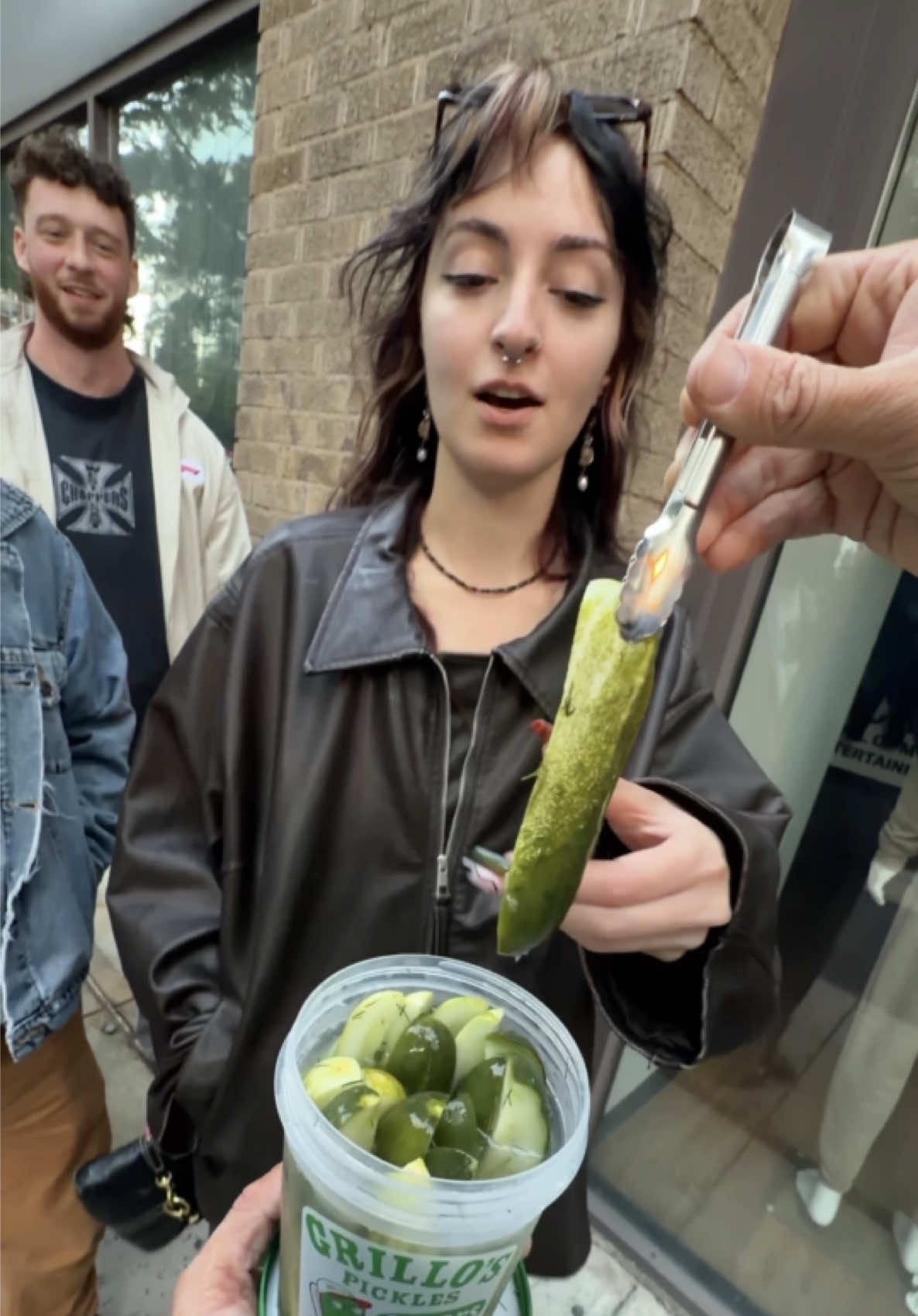
Grillo's
Grillo’s Pickles is an account-led example with recurring pickle-focused entertainment. Its taste, humor and personality offer continuity without needing a conventional scripted season.
Explore the show →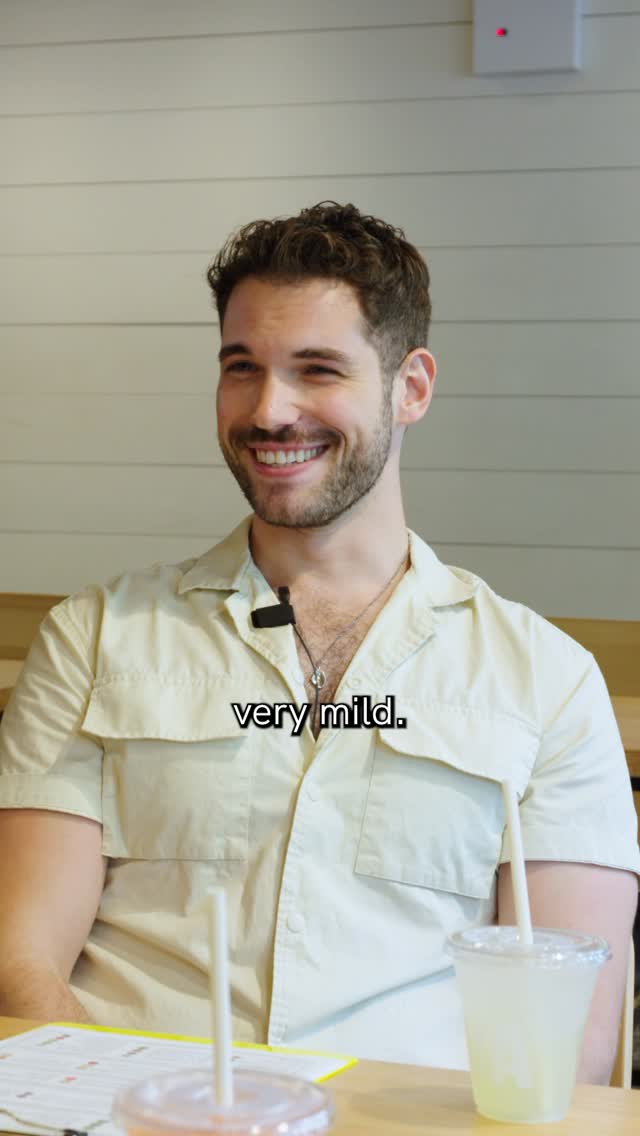
Bowlmates
CAVA’s dating format has participants answer questions and assemble bowls for each other. A repeatable compatibility test makes the product part of the activity.
Explore the show →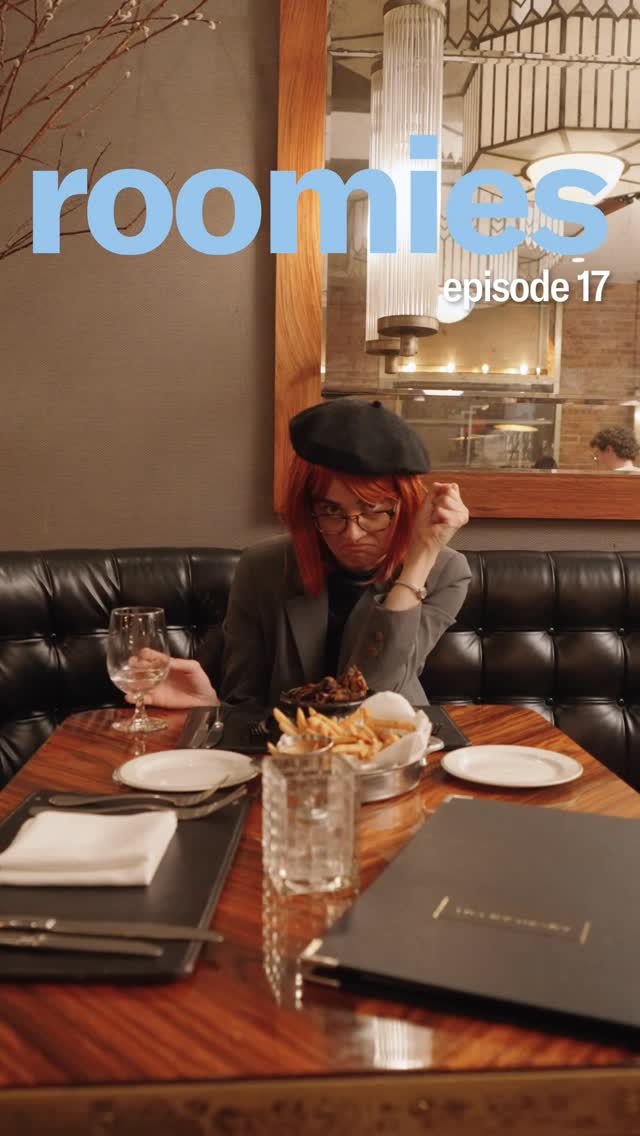
Roomies
Bilt’s roommate comedy uses a familiar apartment setting to support recurring stories. The premise brings the brand’s interest in renting and home into an entertainment world.
Explore the show →How do you develop a branded series?
Begin with what an audience would choose to watch. A useful premise connects a distinctive brand asset to a human interest: travel, taste, relationships, design or a recognizable conflict. Then ask what changes every episode and what remains familiar.
The Agency’s production team described developing several adventure-led ideas before landing on a travel agency struggling with modernization. That is a practical example of turning a brand territory into a comic situation, rather than starting with a list of product messages.
- Define the audience payoff: what does each episode give the viewer?
- Identify the repeatable engine: what can generate episode two, three and four?
- Clarify roles and rights: who commissions, creates, approves and distributes?
- Pilot the idea: learn whether the premise works before expanding the season.
Sources: Banana Republic’s madcap microseries
How should a branded series be evaluated?
Evaluate both the entertainment and the business objective. Do people finish episodes, recognize the format and return? Does the work support the intended change in awareness, consideration or another outcome? Those questions require different evidence.
A successful-looking show is not automatically a proven business success. Trade reporting notes uneven returns and uncertain measurement in emerging microseries. Use clear objectives and evidence, rather than assuming a popular format or a large view count makes the investment effective.
Sources: Ownership, control, margins: the brand playbook for microseries
Sources & further reading
Definitions and format observations are Like Show Business’s editorial interpretation. Reporting and official material informing this guide are linked below and in the individual show profiles.
- Banana Republic announces The Agency ↗Banana Republic · October 14, 2026
- Ownership, control, margins: the brand playbook for microseries ↗Alyssa Mercante, Digiday · October 16, 2026
- Banana Republic’s madcap microseries ↗David Gianatasio, Muse by Clios · October 22, 2026
- How Grillo’s engages pickle superfans ↗Rachel Karten, Link in Bio · August 14, 2025
- Bowlmates ↗Very Online Agency · Project portfolio
- Roomies’ Webby wins ↗Bilt · Official newsroom