Social Show Guides
What is branded entertainment?
Branded entertainment is entertainment that a brand funds, commissions, co-creates or supports to advance a business or brand objective. It can include films, audio shows, live experiences and series. Social shows are one emerging expression of that much broader category, not a synonym for all branded entertainment.
By Like Show Business ·
How is branded entertainment different from an ad?
The distinction is the audience’s reason to watch. An ad usually foregrounds a selling message. Branded entertainment gives the audience a story, character, experience or recurring format they might choose even without an immediate purchase in mind.
That does not mean the brand must disappear. A product can be central to the world, or the brand can enable a story through its expertise and access. Nor does an entertainment label remove the need to disclose paid relationships. A useful test is whether the work has an audience payoff beyond explaining what to buy.
A short history: from sponsored radio to the social feed
Brand-supported entertainment predates social media. Sponsored radio programs and the soap manufacturers associated with early soap operas are part of its history. Television inherited that relationship between entertainment and commercial support.
Online distribution later opened other paths. BMW’s The Hire is a well-known example of a brand investing in short films for the internet. Today, social platforms add a different viewing environment: episodes discovered in a feed, built for a phone and able to build recognition over time. The medium is changing; the challenge of making something people choose to watch is not new.
Sources: Hollywood’s long relationship with branded entertainment · The Hire: BMW’s revolutionary brand campaign
Brand-created, co-created and sponsored are not the same
A brand-created or commissioned show is developed for the brand. A co-created show involves a documented creative partnership. A sponsored independent show starts with a creator or studio’s own property, with a brand supporting an episode, segment or season.
These distinctions matter for credits, creative control and rights. A product in the frame does not prove sponsorship, and sponsorship does not prove ownership. The examples below are drawn from Index entries categorized as brand-created or commissioned, rather than from shows where a brand merely appears.
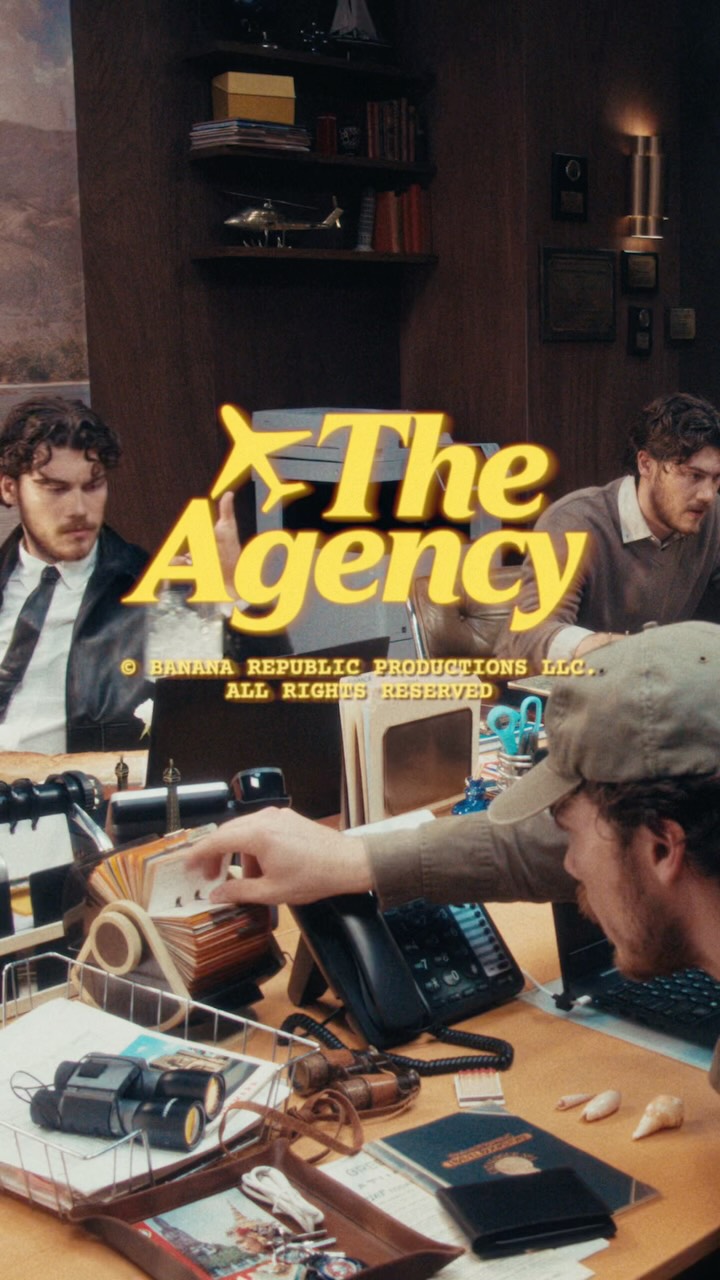
- Brand-created: The Agency is an original series announced by Banana Republic.
- Brand-created: The Bittarverse is Alexis Bittar’s fictional fashion world.
- Sponsored independent: Time Travel Department has a confirmed episode-level Tracksuit sponsorship, not a claim of brand ownership.
Sources: Banana Republic announces The Agency · Ownership, control, margins: the brand playbook for microseries · Tracksuit’s episode-level Time Travel Department sponsorship
Branded entertainment examples in the social feed
The Agency and The Bittarverse demonstrate scripted worlds. Grillo’s Pickles offers a contrasting, account-led approach built around a recognizable pickle obsession. The following notes are our editorial reading of the formats, not claims about campaign results.
The Agency
Banana Republic commissioned a five-part comedy starring Jack Innanen. Its fictional travel agency connects the brand’s heritage of travel and discovery to an entertainment world.
Explore the show → LSB Selects
The Bittarverse
Alexis Bittar’s eccentric fashion characters make the brand part of a recurring fictional universe. The jewelry sits within a world people can follow.
Explore the show →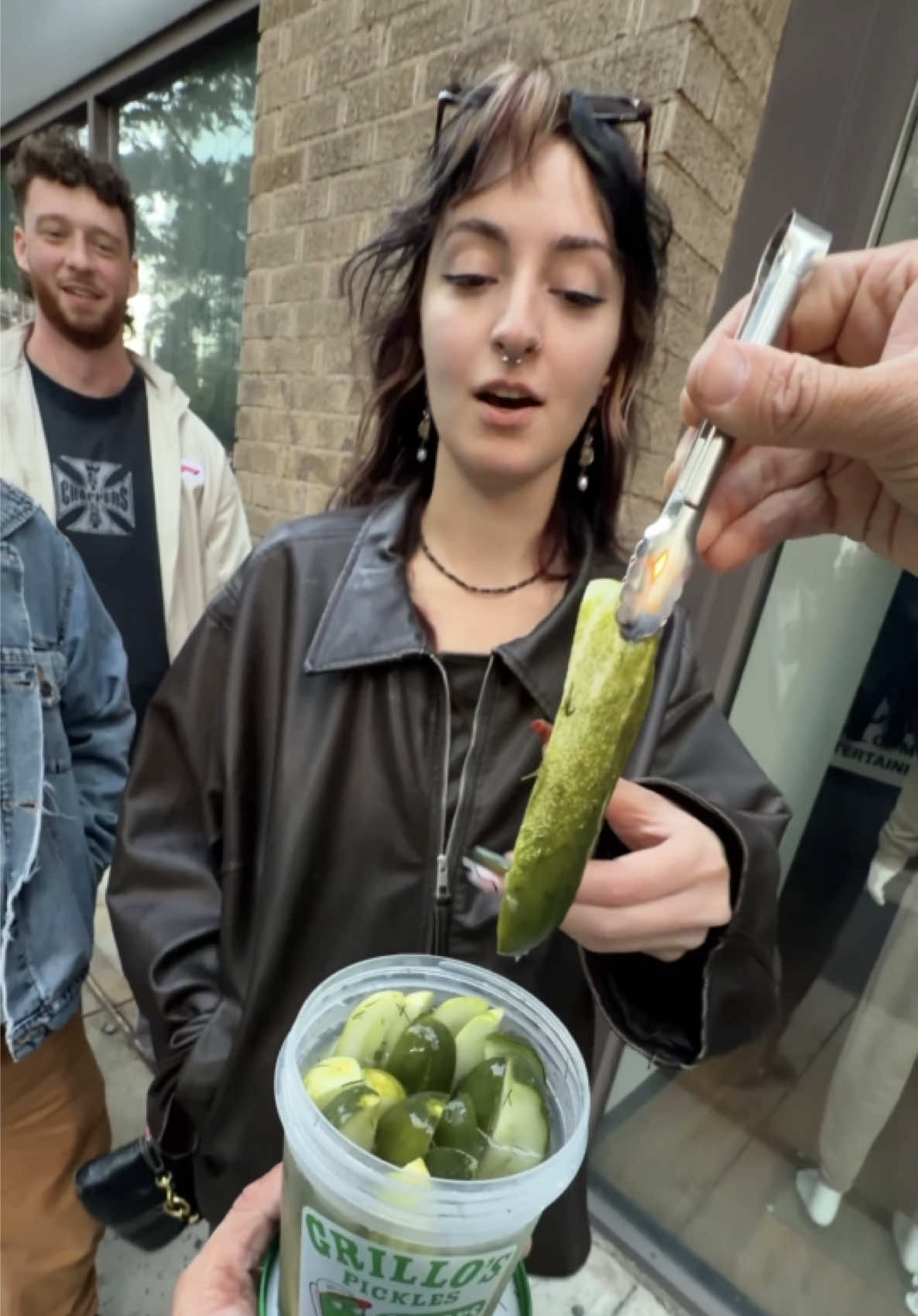
Grillo's
Grillo’s Pickles uses recurring pickle-centered entertainment, including street tastings in the Index example. Its account-led personality is a different approach from a scripted season with a separate title.
Explore the show →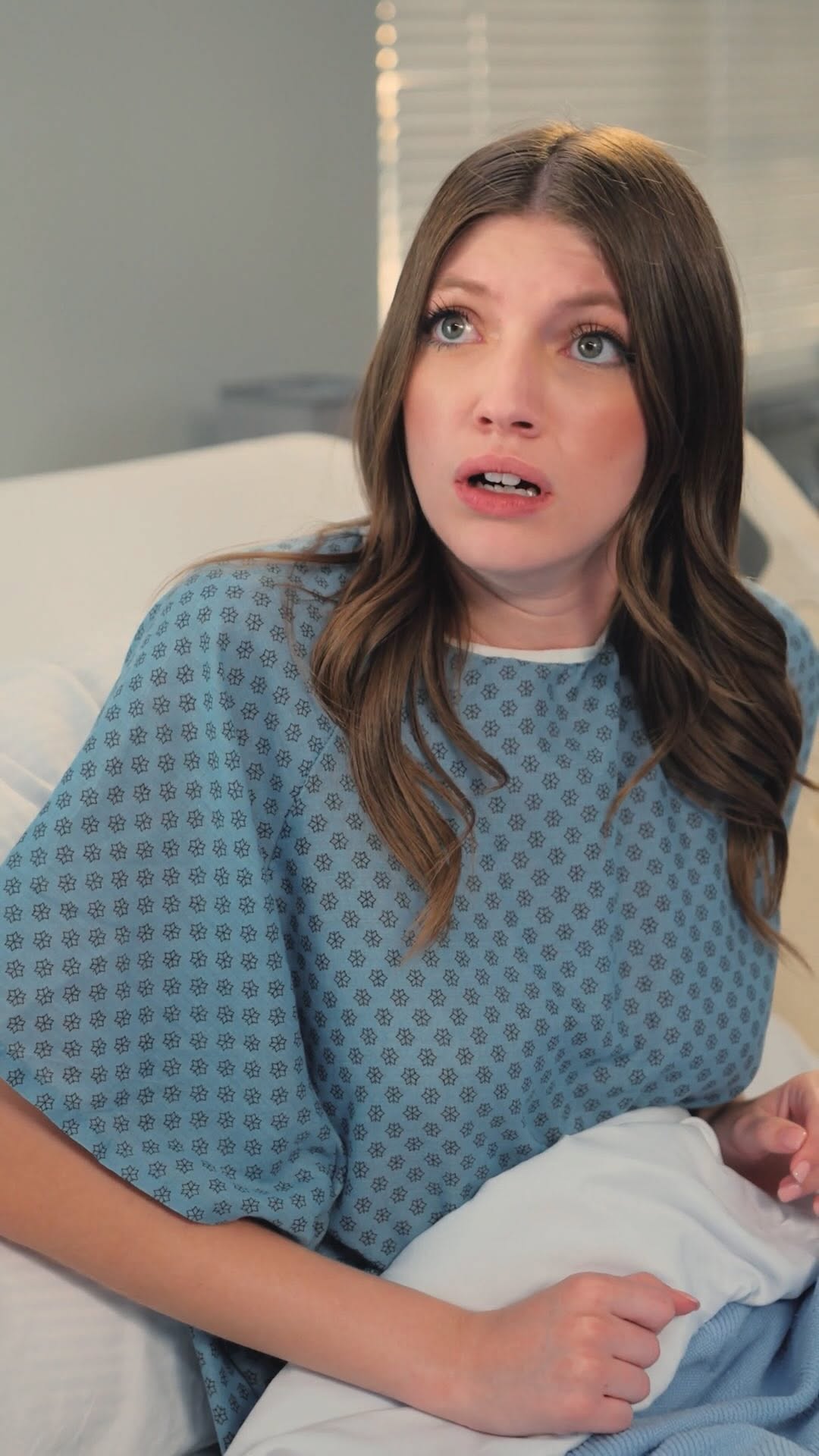
It's a Pepper Fling
Dr Pepper uses a romantic microdrama tied to a soda flavor. It shows how a product can help supply a story premise, rather than interrupt a separate story.
Explore the show →What makes the approach work?
Look for a premise the brand can credibly own, a payoff the audience wants, and enough creative room to keep making episodes. Brand fit is more than putting a product on set. It can come from the setting, the humor, the subject or the access the brand provides.
Measure against the actual objective. Repeat viewing and audience response can help evaluate the show; awareness, consideration or sales require their own evidence. High view counts are not automatically proof of business impact.
Sources & further reading
Definitions and format observations are Like Show Business’s editorial interpretation. Reporting and official material informing this guide are linked below and in the individual show profiles.
- Hollywood’s long relationship with branded entertainment ↗Adam Milano, Adweek · December 8, 2023
- The Hire: BMW’s revolutionary brand campaign ↗BMW Group · Company history
- Banana Republic announces The Agency ↗Banana Republic · October 14, 2026
- Ownership, control, margins: the brand playbook for microseries ↗Alyssa Mercante, Digiday · October 16, 2026
- Brands see content gold in microdramas. Will they muck up the moment? ↗Peter Adams, Marketing Dive · July 7, 2026
- How Grillo’s engages pickle superfans ↗Rachel Karten, Link in Bio · August 14, 2025
- Tracksuit’s episode-level Time Travel Department sponsorship ↗Tracksuit CMO · Source recorded in Index research
Why social shows are an emerging part of branded entertainment
Social shows let brands work with repeatable formats rather than isolated campaign posts. A travel brand can create a fictional agency. A food brand can build recurring encounters around taste and personality. A fashion brand can invent characters who belong in its world.
Trade coverage in 2026 describes brands experimenting with both original microseries and partnerships with existing creators. It also notes uncertain returns and unresolved ownership questions. Treat the momentum as a reason to explore the form, not a guarantee of growth or effectiveness for any individual brand.
Sources: Ownership, control, margins: the brand playbook for microseries · Brands see content gold in microdramas. Will they muck up the moment?